Designing Products, Not Screens
Published May 2026 · 5 min read
One of the biggest shifts in my career happened when I stopped thinking about individual screens and started thinking about products.
Early on, I was focused on interfaces.
I cared about layout, typography, visual hierarchy and creating polished user experiences. Those things still matter today, but over time I realised that users rarely remember individual screens.
What they remember is whether a product helped them achieve their goal.
A screen is not the product
It's easy to fall into the trap of judging design by what appears on the screen.
Modern tools make it possible to create beautiful interfaces quickly, and social media is full of polished UI concepts.
But products don't succeed because a dashboard looks good.They succeed because they solve a problem.
A banking app helps people manage their finances.
A health platform helps users make informed decisions.
A smart home ecosystem helps people automate everyday tasks.
The interface is simply one part of a much larger experience.
Understanding the problem first
Before designing anything, I try to understand the problem that needs solving.
Who is experiencing it?Why does it matter?What happens if it isn't solved?
The answers to those questions often influence the final design more than any visual decision.
In many projects, the most important work happens before the first screen is created.
Research, conversations, workflows, constraints and business objectives all shape the direction of a product.
Designing for systems, not pages
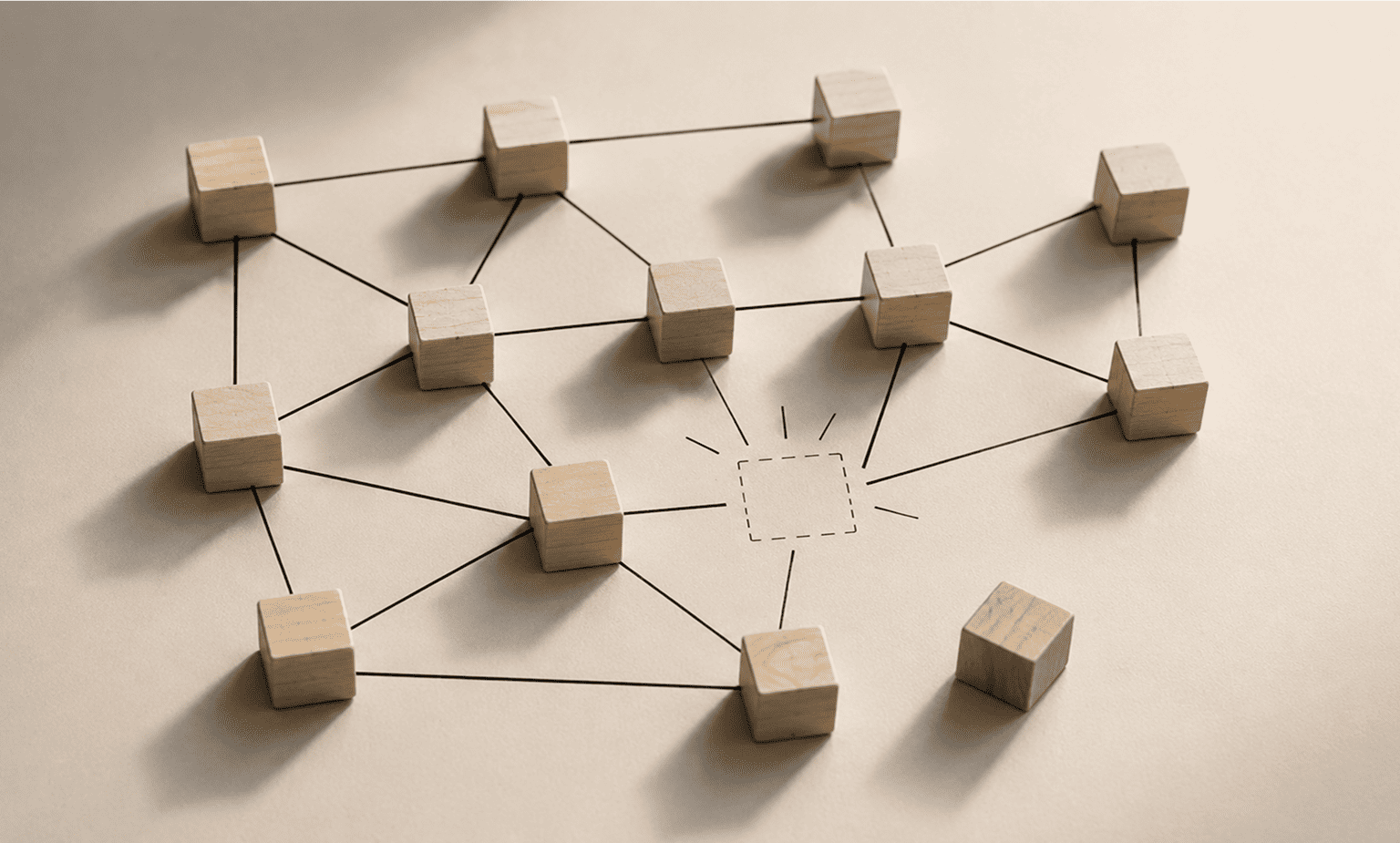
As products grow, individual screens become less important than the connections between them.
Users don't experience products one page at a time.
They experience journeys.
A booking confirmation depends on the search experience that came before it.
A dashboard depends on the onboarding flow that introduced it.
A smart home action depends on devices, permissions and automation working together.
Good product design requires thinking about the entire ecosystem, not just isolated moments.
Balancing users, business and technology
One lesson I've learned across different industries is that great products sit at the intersection of three things:
- User needs
- Business goals
- Technical constraints
Focusing on only one of these areas often creates problems elsewhere.
A feature users love might be difficult to maintain.
A business objective might introduce unnecessary complexity.
A technical limitation might require a different approach altogether.
Product design is often about finding balance rather than chasing perfection.
The value of collaboration
Designing products also means working closely with people outside of design.
Developers, product managers, researchers, stakeholders and subject matter experts all contribute valuable perspectives.
The best solutions rarely come from a single person.
They emerge through collaboration, discussion and iteration.
This is one of the reasons I enjoy product design so much.
The work isn't limited to designing interfaces—it's about bringing different perspectives together to solve meaningful problems.
Looking back
Today, I still care deeply about visual design.
A well-crafted interface can create clarity, confidence and trust.
But I've learned that beautiful screens are only successful when they support a well-designed product.
The goal isn't simply to create something that looks good.
It's to create something that works.
And that's the difference between designing screens and designing products.